Table Of Content
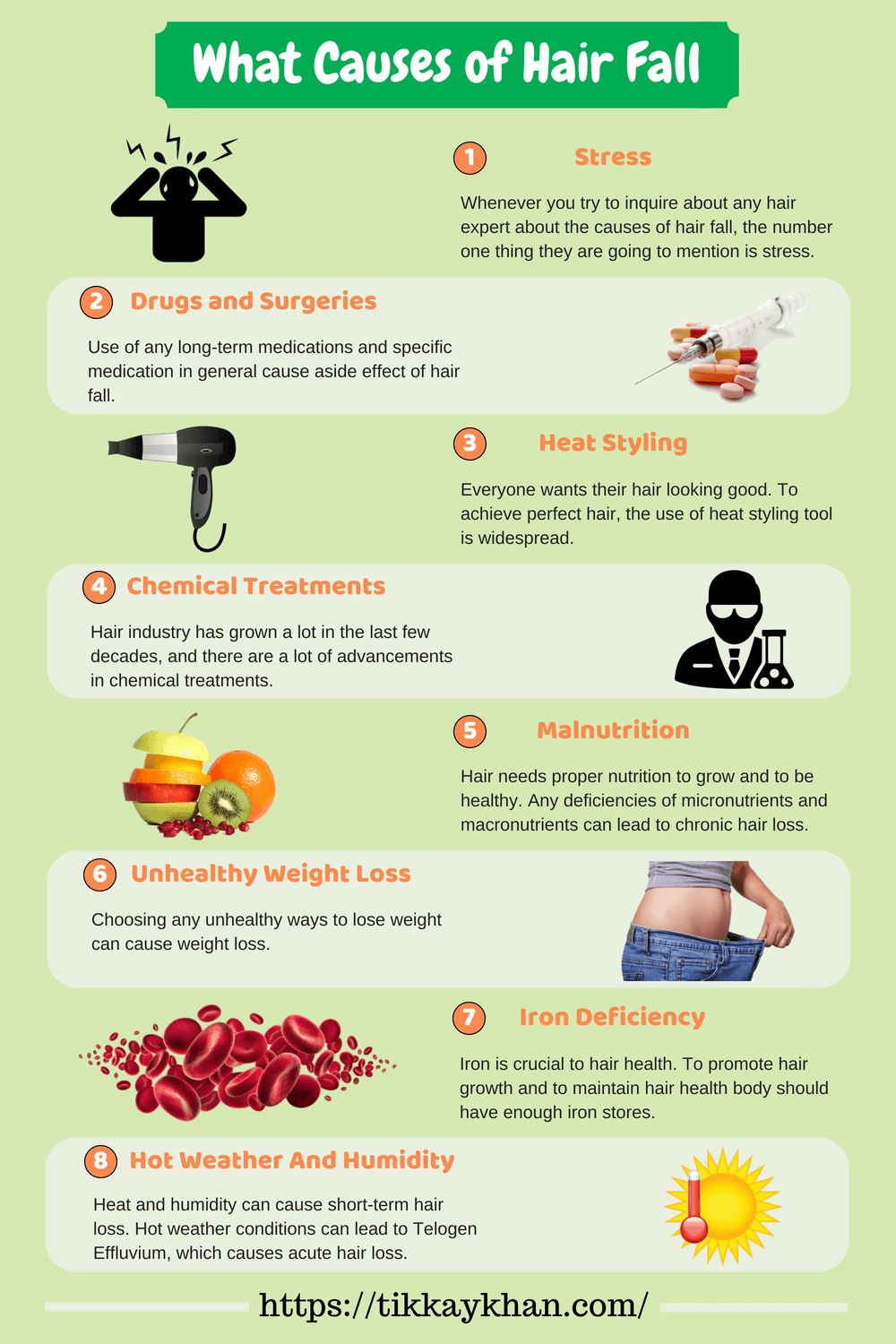
Excessive physical or emotional stress can cause hair to stop growing normally, falling out two or three months later. If you recently underwent a major surgery or are recovering from a serious illness, hair loss is normal. Many people experience dramatic levels of hair loss some weeks after major surgery or after an illness.
Alopecia: Symptoms, Causes, Treatment and More - Health.com
Alopecia: Symptoms, Causes, Treatment and More.
Posted: Tue, 16 Apr 2024 20:21:44 GMT [source]
Can hair loss in women be prevented?
Also known as Propecia, this prescription pill may help slow down hair loss and even promote new growth. Skip tight braids or ponytails that may pull on your hair at the root and potentially lead to excessive shedding. Sudden or excessive weight loss, a severe physical or emotional shock, surgery, or even fever and the flu can bring hair loss that could last several months. Not getting enough iron, protein or vitamin B12 in your diet can also cause your hair to thin. If this happens to you, talk to your doctor about supplements.
Hormones
Trans women and trans men who have used HRT may have additional risk factors for hair loss that are not covered here. Excessive shedding usually stops on its own, especially if it’s caused by stress or fever. But your doctor can check for underlying problems like thyroid disorders or nutrient deficiencies.

What color is your tongue? What's healthy, what's not?
Although more research is needed, it’s possible that treating this deficiency could help with hair regrowth. “If you feel like you’re losing an excessive amount of hair, talk to your doctor. More than half of all women experience noticeable hair loss over time.
Medical Professionals
“Dermatologists can help women win the fight against common forms of hair loss.” News release issued March 4, 2010. The sooner you find the cause, the better your outcome. The less hair you lose, the more successful treatment (or prevention) tends to be. Board-certified dermatologists successfully diagnose the cause of hair loss for many people.
Some people pull on their hair, often to relieve stress. They may be unaware that they’re pulling their hair. In addition, a healthcare provider might recommend forms of light therapy like using the HairMax Lasercomb®. Another FDA-approved laser product is the Theradome LH80 PRO® helmet and low-light laser helmets and caps. Below are some frequently asked questions about hair loss.
The Hair Growth Cycle
Hair shedding due to an illness such as COVID-19 typically improves three to six months after recovery. Many people consider a full, healthy head of hair central to their appearance and self-confidence. If your hair begins to thin or fall out, that can be distressing.
Hair Loss in Women: When Should You Worry?
Androgenic alopecia causes the normal hair growth cycle to shorten. As a result, hair doesn’t grow as long or thick as it normally would. Stress causes a large number of hairs in the active hair growth (anagen) phase to abruptly enter the resting (telogen) phase.
Can stress cause hair loss?
Once the hair follicle is permanently damaged, hair can not grow back. Both hyperthyroidism (an overactive thyroid) and hypothyroidism (an underactive thyroid) can cause hair thinning. This hair loss is typically temporary, and treating thyroid dysfunction can help regrowth. However, some thyroid medications can also cause hair loss.
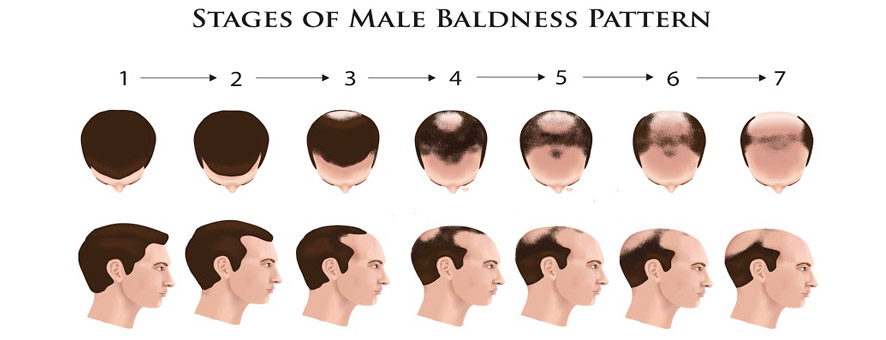
Not everyone will lose their hair during treatment, while others may experience hair thinning or complete hair loss. Hair loss may affect the scalp, pubic hair, arm and leg hair, eyebrows, and eyelashes. Hereditary hair loss, or androgenetic alopecia, is hair loss caused by genetics or hormonal imbalances that affect androgen hormones (typically testosterone). Anyone can experience hereditary hair loss, but it typically affects males and is more commonly called male pattern baldness. This is the name for hair loss caused by medications that harm your hair follicles. Radiation and chemotherapy treatments for cancer can be toxic to follicles, causing your hair to fall out within the first few weeks after you start treatment.
Some people find comfort in talking with a mental health professional if their hair loss causes discomfort. Others may find relief in changing their hairstyle or wearing a wig. A healthcare provider will do a thorough examination and take a detailed history to understand changes in your hair growth. Your provider will also ask about what medications or supplements you currently take.
The type and severity of hair loss you experience may determine the outcome (prognosis). Some types of hair loss are permanent, especially if you have damage to your hair follicles. For example, anagen and telogen shedding may stop with time. Managing any underlying health conditions improves hair loss.
So if you have close relatives who are balding, you're more likely to have it, too. On the whole, it’s important that you speak with your doctor about any symptoms you’re experiencing. A dermatologist can provide a proper diagnosis, and select a personalized treatment that will help restore health to you hair and scalp. Hair loss during pregnancy is not common, but it is possible. During pregnancy, people are more likely to have conditions that cause hair loss, like hyperthyroidism, hypothyroidism, and iron-deficiency anemia. Treating these conditions can help hair thickness return.
Hormonal medications, especially testosterone, can cause male or female pattern hair loss. Some shedding is temporary and may respond well to dietary changes, certain treatments, or lifestyle strategies. Other hair loss may be more permanent or may not stop until an underlying condition is treated. Some research, including a 2024 review, suggests that there may be a connection between vitamin D deficiency and alopecia.
We lose our hair for many (with emphasis on many) reasons. Free to everyone, these materials teach young people about common skin conditions, which can prevent misunderstanding and bullying. Both the CDC and the FDA warn against treating this common childhood condition on your own with non-prescription treatments. Telogen effluvium occurs when large numbers of hair follicles push into the resting phase.


No comments:
Post a Comment